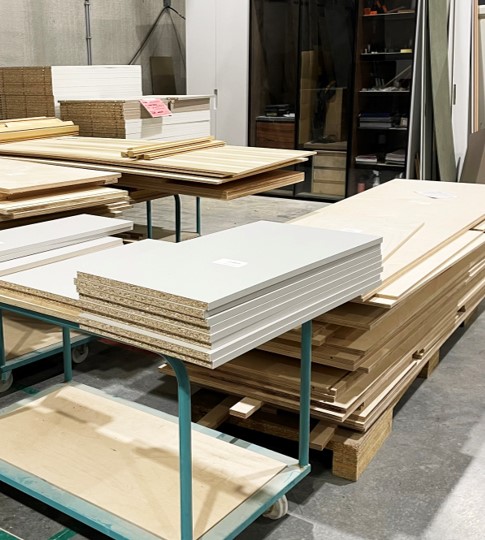
We recognize the importance of sustainability through the use of advanced technologies that allow us to optimize material usage and reduce waste. In addition, the digitization of processes, smart energy management, sustainable materials, optimized transportation routes and logistics, recycling, and waste management all contribute to reducing our environmental impact.
Environmental Sustainability
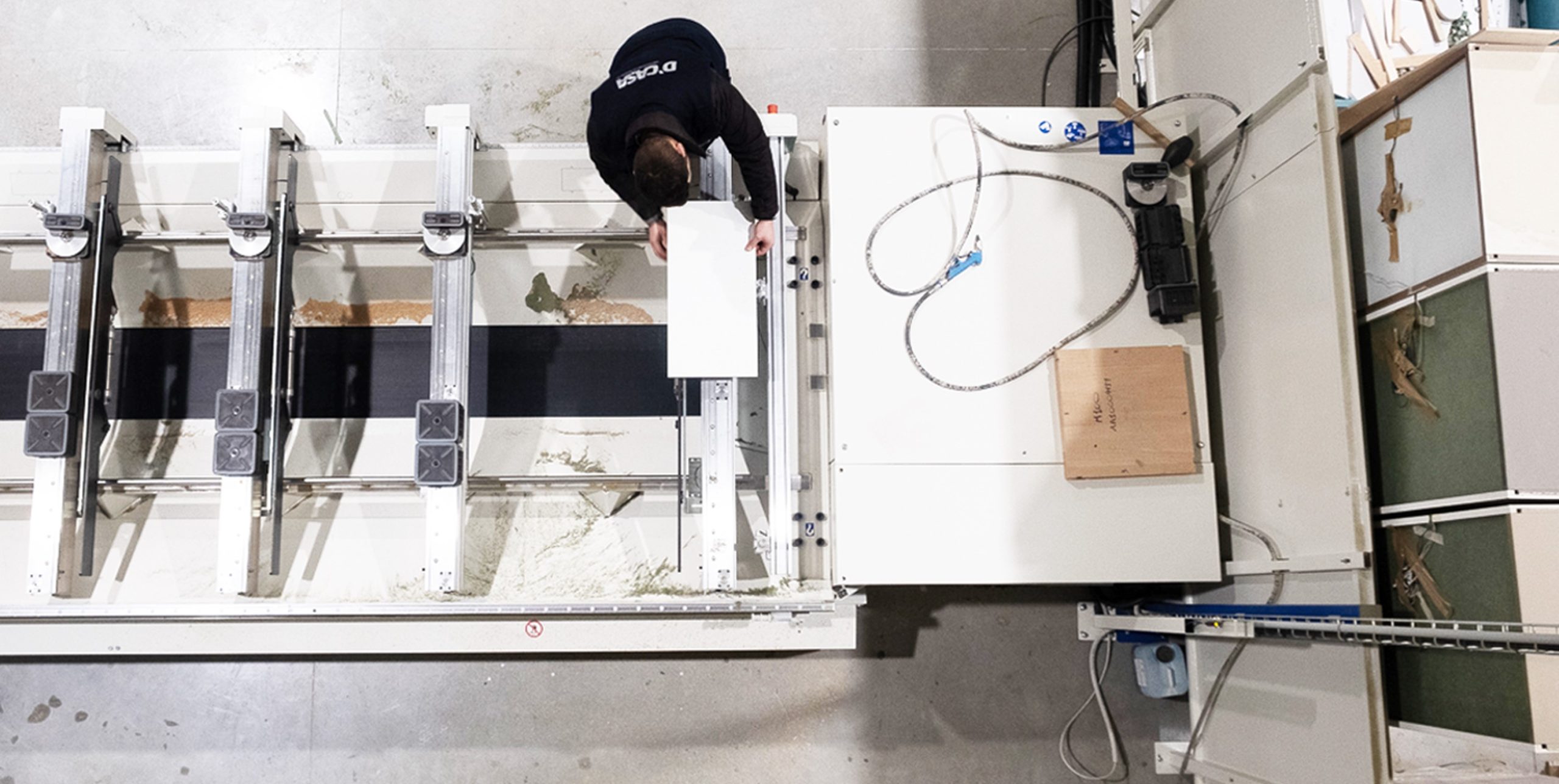
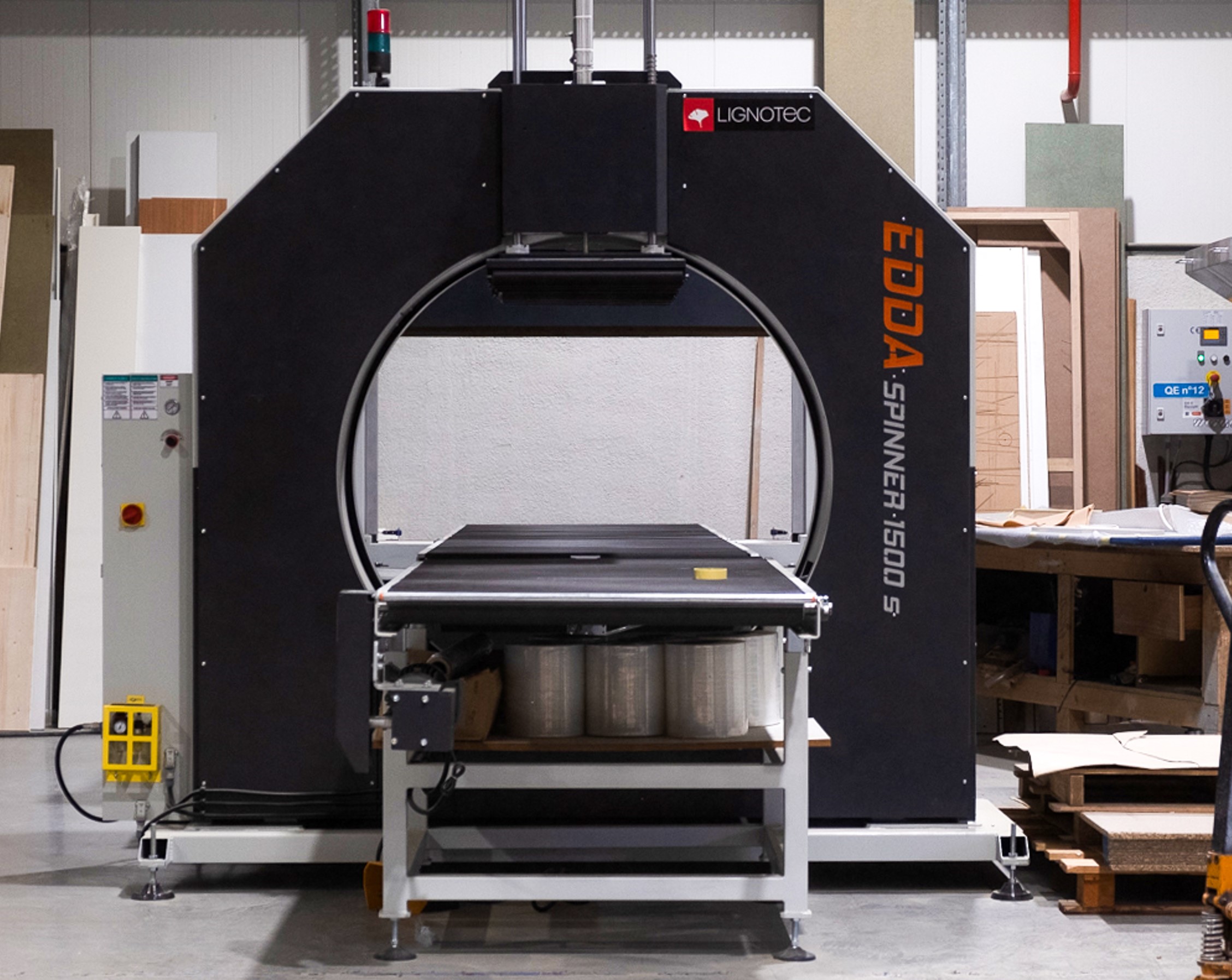
In the context of sustainability, the use of sustainable materials is one of the key elements. We use certified wood from sustainably managed forests. This reduces our environmental impact and promotes forest conservation. Implementing advanced technologies, such as process digitization, allows for more effective supply chain management and ensures that materials come from responsible sources.
When it comes to energy, transitioning to renewable sources is a crucial step. Installing solar panels helps reduce our factory’s carbon footprint and represents a cost-effective measure given the long-term savings associated with sustainable energy production.
Our certifications validate our environmental responsibility and serve as a seal of quality that distinguishes us in the market.
Implementing efficient recycling processes allows us to reuse materials, close the production cycle, and reduce the need to extract new resources.
Adherence to strict standards and regulations demonstrates our commitment to environmental protection and is an essential step toward ensuring a sustainable future for our industry by balancing innovation and responsibility.